

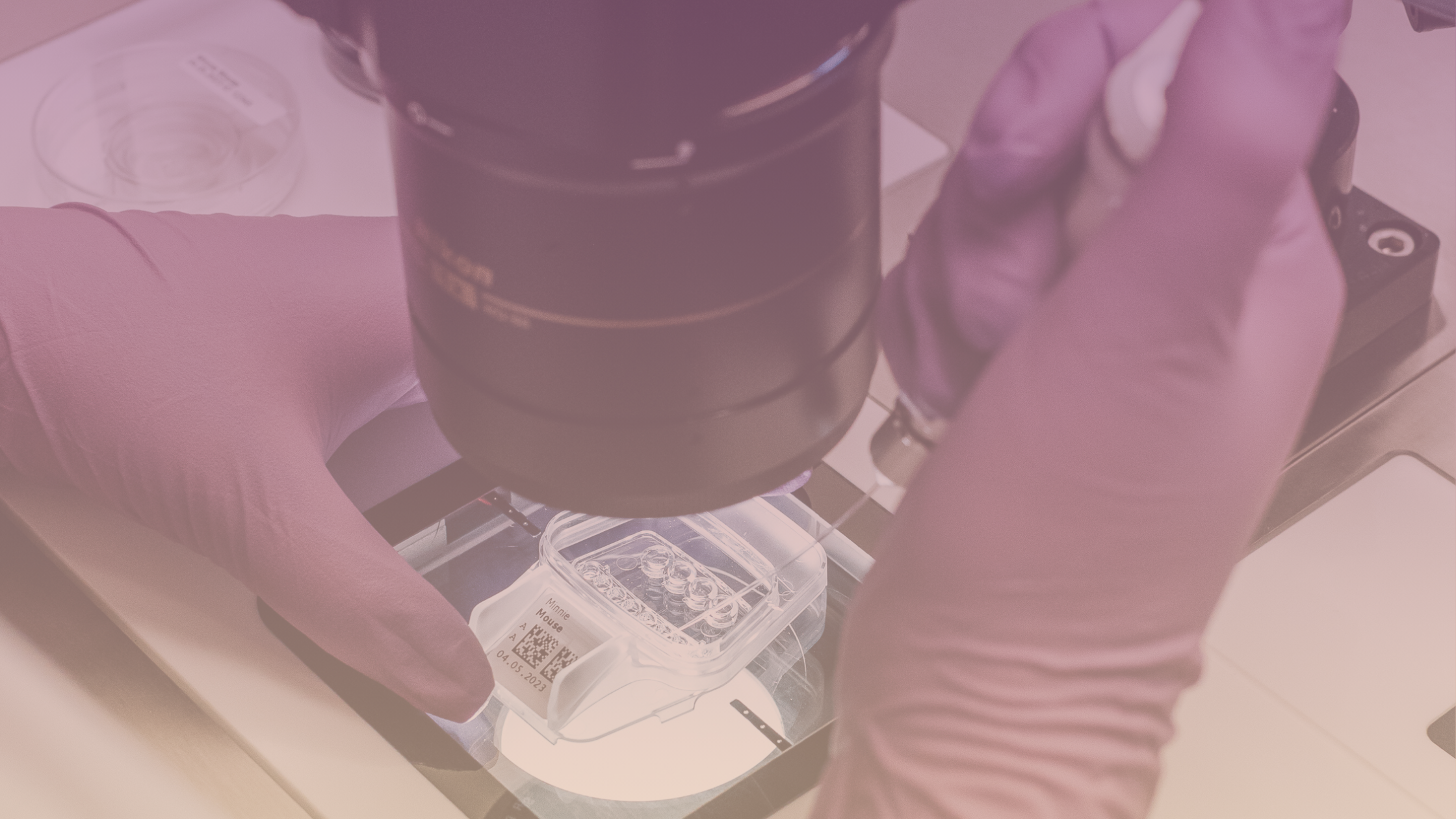
We’re in the era that Preimplantation genetic testing(in short PGT) is becoming more relevant in modern fertility treatment. Society is definitely aging, which means women are starting their families later.
On average, women are also having less children. There is a clear decline in birth rate in Europe and Estonia is no different. In 2024 the average age for a women to give birth in Estonia was 31 years old. Women had on average 1.2 children and there were fewer than 10,000 births in total. Believe it or not, at age 35 reproductively speaking women are considered of advanced maternal age. Our biology is catching up to us.
Circumstances when PGTM is relevant
In comparison to PGT-A, PGT for structural rearrangements (PGT-SR) and for monogenic diseases (PGT-M) is only applicable to specific and small patient population.
In Estonia, the deafness gene is a common example because of the small population. If a couple finds that they are both carriers of the same disease, it means their child has a significant risk of inheriting the disease. A simple blood test identifies carriers, and if both partners are carriers, genetic testing avoids passing the genetic trait down to offspring.

Patients’ expectations are important
Ideally patients should come into the cycle feeling informed about their realistic chances based on their medical history and age.
Some patients have already had a miscarriage due to a genetic problem, so they’re expecting some abnormal embryos. When those results come back, it can give some clarity to why a previous pregnancy may not have progressed.
Even when results show abnormal embryos, there’s a positive side: patients don’t waste time on multiple failed transfers. This matters a lot after age 39, when time is limited. Getting PGT results means they can start their next cycle sooner, which can really help.
After a few rounds of PGT, we get a clearer picture of what’s happening. It helps patients and doctors understand the real situation and make better decisions about what to do next.
2025 recap
- 182 embryos were biopsied during 48 cycles.
- The average number of embryos was 3.8
- 64% of the embryos did not come back as normal.
- 2% of our tested embryos came back without a result which meant during the analysis of the DNA the genetics lab were not able to make an accurate call.
The best embryo according to the Embryologists doesn’t always match that of the PGT report.
We do see cases where a beautiful-looking embryo turns out to be abnormal on the PGT report, and sometimes lower-quality looking embryos are actually normal.
A beautiful embryo doesn’t really tell us much anymore. The PGT report is what actually shows us if the embryo is healthy.

Clinical pregnancy results when transferring a euploid embryo
The pregnancy results last year when transferring a euploid embryo has been very high. The most surprising is that 40+ year olds had a 63% chance of a clinical pregnancy, and 50% ongoing pregnancy when using their own eggs. This really shows the benefit of adding PGT to an IVF cycle at 38 years or older.
Instances when PGTA is not so useful
When the age of the eggs are 34 or younger, which includes donor eggs, doing the biopsy and transferring a euploid embryo does not increase the chance of pregnancy.
The success rate will never be 100% because a euploid embryo does not guarantee pregnancy
If two or more euploid embryos fail to implant, this may suggest recurrent implantation failure. Several factors could explain this. These include an inadequate response to hormonal preparation affecting endometrial thickness, impaired endometrial receptivity (meaning the uterus is not optimally synchronized with the embryo), or possible immunological factors that interfere with implantation. Anatomical factors like polyps, myomas, endometriosis and adenomyosis can affect results.
Additionally, while PGT-A reduces the risk of chromosomal abnormalities, it does not eliminate all genetic or molecular issues. De novo mutations or other post-implantation developmental problems can still occur.
Therefore, implantation failure or pregnancy loss is multifactorial and not solely related to advanced maternal age.
Complications can occur with a low quality embryo
When performing a biopsy on a low-quality embryo or on a previously frozen blastocyst, technical challenges may arise. In poor-quality blastocysts, especially grade CC, there may be a limited number of viable trophectoderm cells available for biopsy. Removing too many cells could compromise embryo viability, while removing too few may result in insufficient DNA for reliable genetic analysis.
Repeated freeze–thaw cycles may slightly reduce embryo survival or implantation potential. That’s why it is best to perform the biopsy fresh and avoid freezing embryos more than once.
One thing every patient should understand before choosing PGT
It can be emotionally difficult to wait for 2 weeks for the results. There may be a chance that there is nothing suitable for transfer so patients should mentally prepare themselves for this possibility.
If you have any follow up questions feel free to write to us at lab@ivfnordic.com